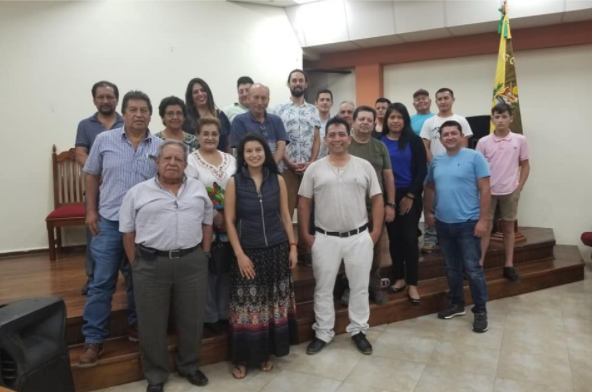
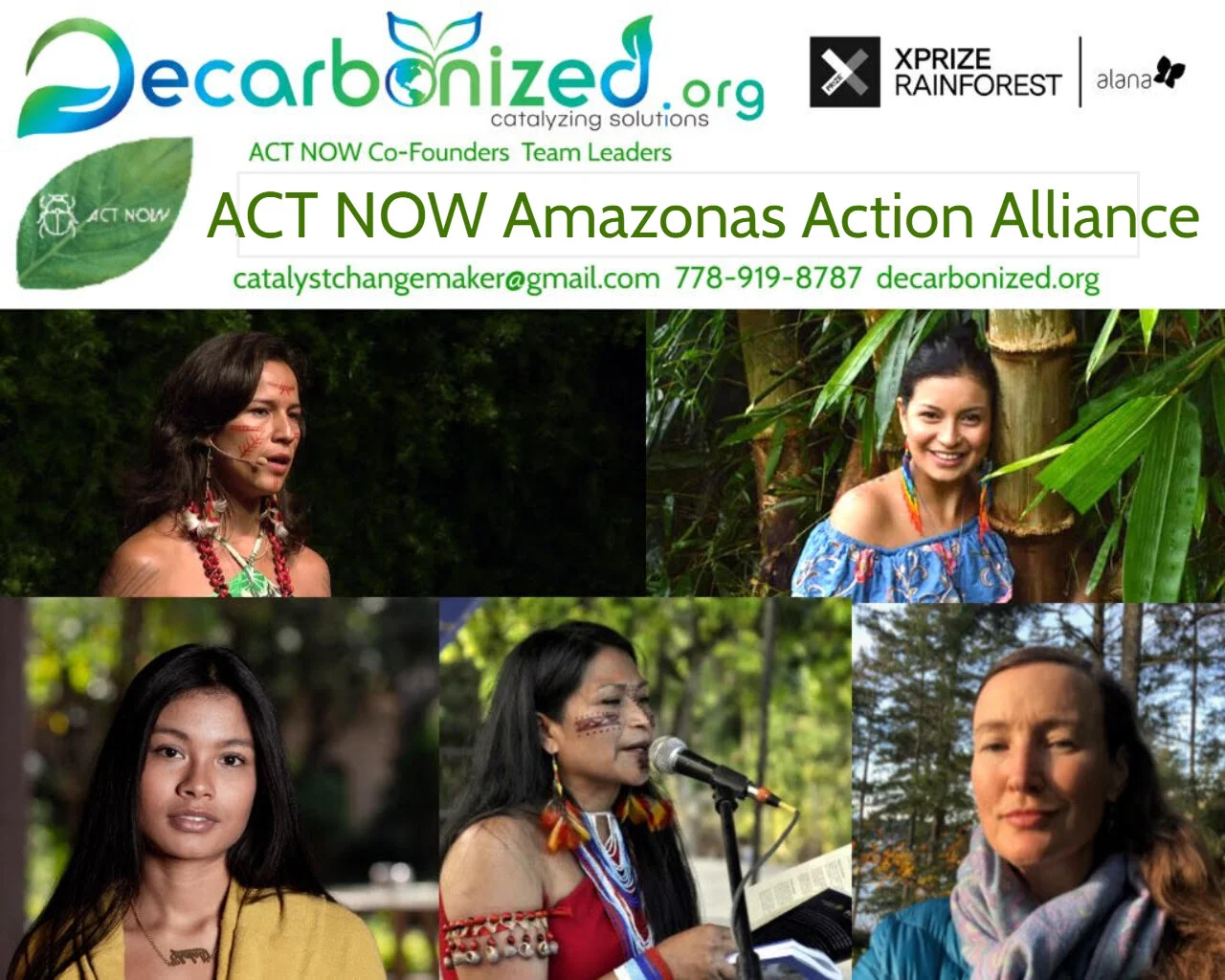
naiara Tukano, Chabeli Chain, maria clara sharupi jua, FIONA BANISTER CO-LEADERS ‘Act NOW - AMAZONAS ACTION ALLIANCE’ > ForestLABS > XPRIZE RAINFOREST TEAM
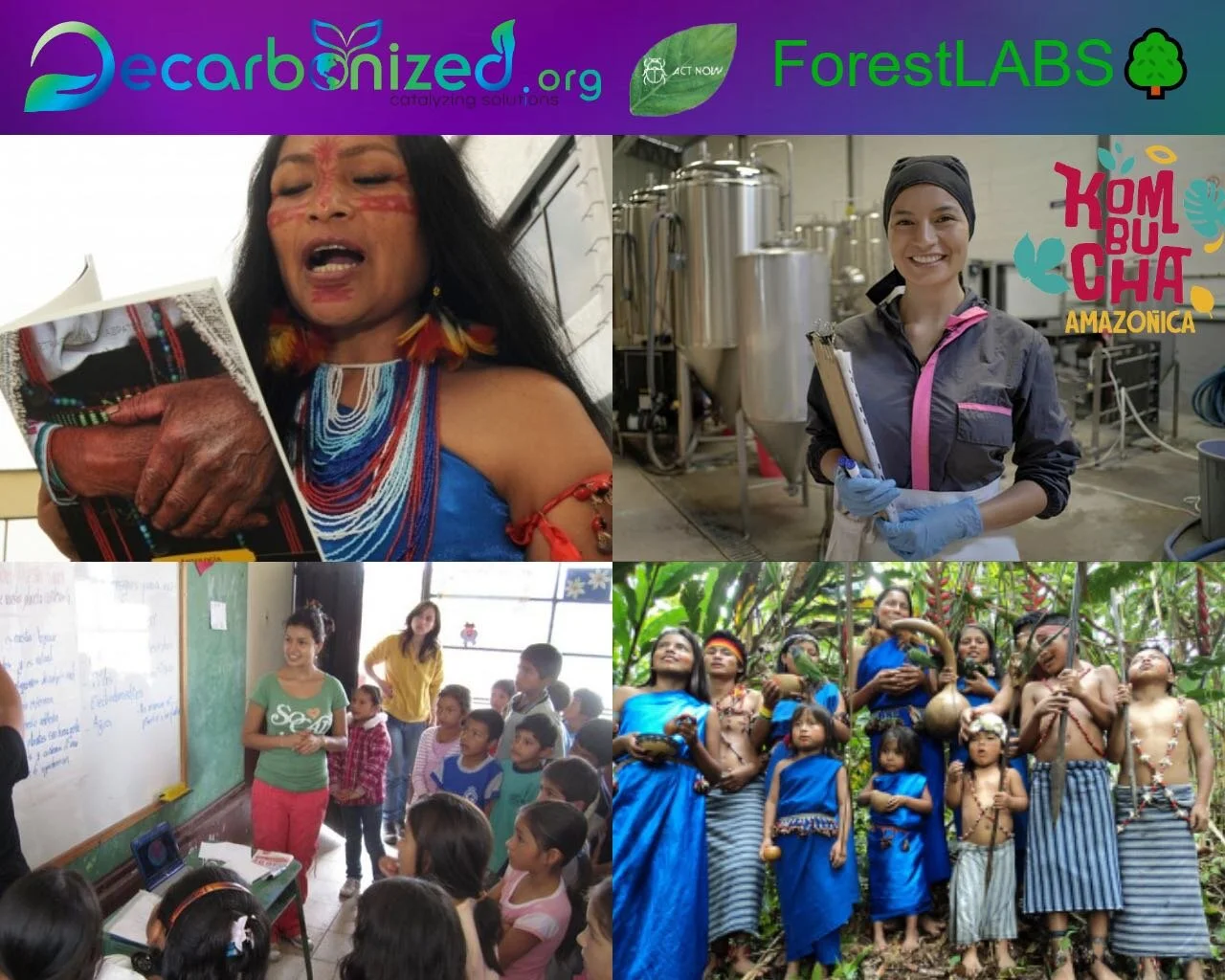
*Naiara Tukano, is an Environmental Lawyer, Amazonian Wisdom Healer, Leader, Social Venture Entrepreneur with [Maria Clara Sharupi Jua Indigenous Shuar Leader, Artist - Writer and Educator, and our co-leader [Fiona Banister Educator, Catalyzer of Solutions. Chabeli Chain is an Artist, musician and changemaker, as a leader from her Indigenous community from Venezuela. Chabeli is in Europe continuing to bring her voice and messages to support Climate and social justice actions to the UN. ACT NOW team is also co-led by student interns Greenteam, who have dedicated their impact actions towards collaborators as GreenTeam LEADERS *Nantar Inga is an innovative social impact entreprenuer and making medicinal herbal Kombucha in Quito. www.AMATEKOMBUCHA.com. During these challenging times, now she is dedicated to supporting her enterprise and supporting her communities resilience plan . She is supporting the women co-op growing medicinal herbs and developing impact projects supporting their sustainability plans, as many are hit hard with the COVID crisis. Nantar’s inspirational actions helped us all in catalyzing these initial projects and she is now full-time regenerating her co-op business plans.
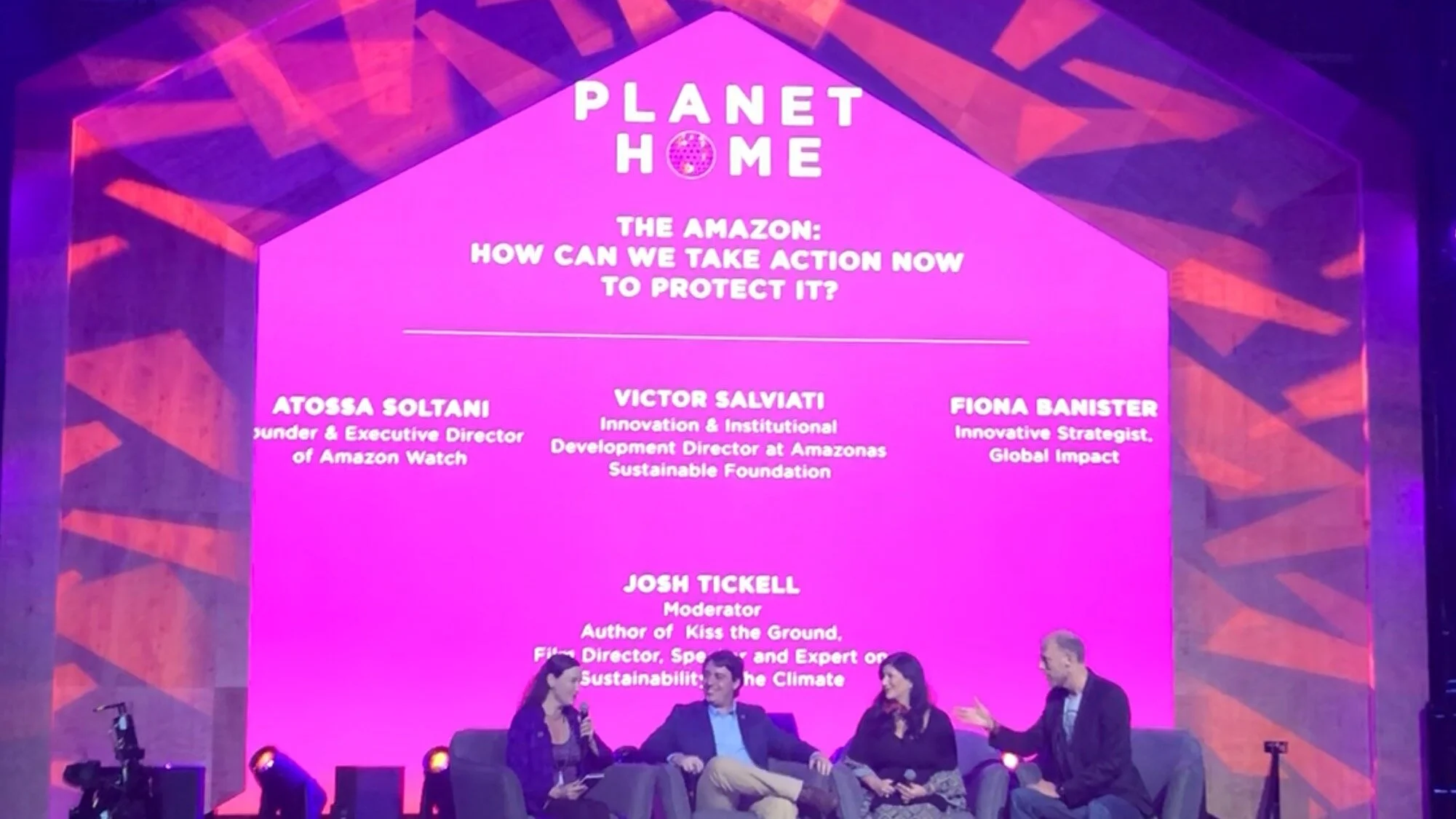
ACTNOW FORESTLABS is aligned to networks of global scientist, foresters, farmers, bankers, film-makers, ngo, and sustainability groups via Decarbonized.org and building alliances with Indigenous communities, leadership institutes, NGO's, financiers, impact investors, grant writers, bankers, UN, European Union and multinational governments. We are bridge builders ready to make vital projects scale and innovate partnerships supporting women and families to have sustainable solutions. Our team is here to be inspirational leaders and to scale conservation and eco-system service projects, supporting traditional communities to thrive and be self-reliant. Researching engineering technology, drones for supporting measuring land entitlements, using technology for GOOD, we like to have shared ideas and activating visionary projects. Naiara, Maria Clara Sharupi Jua, Chabeli and Fiona Banister are collaborating with others leaders under the FORESTLABS project to catalyze solutions within the Amazon Rainforest and beyond. These powerful female leaders have collaborated on the recent Decarbonized.org ACTNOW FORESTLABS submission to the [MIT Solve Resilient Ecosystems challenge, view their submission https://solve.mit.edu/challenges/resilient-ecosystems https://solve.mit.edu/challenges/resilient-ecosystems/solutions/50294 https://www.linkedin.com/in/maria-clara-sharupi-jua-b3472247/ https://www.linkedin.com/in/fiona-b-31a210a0/ https://decarbonized.org/


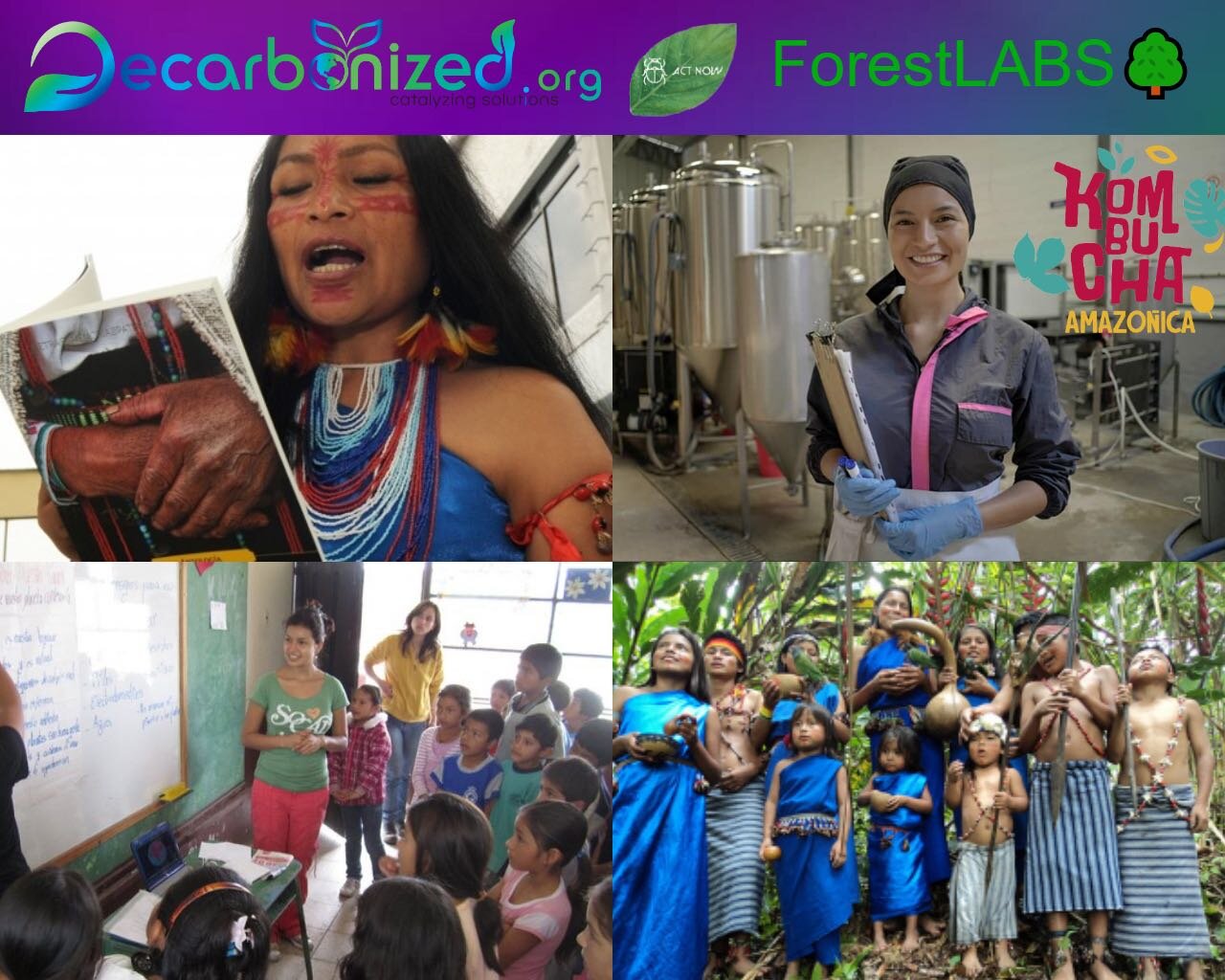
Jaguar Socio-Ecological Foundation - FUNSEJ- (Ecuador )
Nantar Inga is an Indigenous Leader, Environmental Biologist and Social Business owner hailing from Ecuador. She is a founding member of FUNSEJ (Jaguar Socio-Ecological Foundation) an organization that seeks to preserve and conserve the biodiversity within the Ecuadorian Amazon. Nantar is a traditional healer, Environmental Biologist and facilitates the production and practice of traditional medicines. As an innovating business owner, with her social impact business, www.Amatekombucha.com, she brews her own vital pro-biotic Kombucha with traditional herbal formulations. She is practicing traditional Indigenous medicinal rituals, continuing the sacred wisdom path of empowerment with her cultural knowledge. Through her work, projects and alliances, Nantar has influenced and promoted the conservation and healing of the Amazonian Ecosystem and the protection of all life within it. Her current organization, FUNSEJ, seeks to develop a solution to the issue of deforestation in the native lands of the Shuar Indigenous Peoples and surrounding communities. FUNSEJ aims to reforest degraded areas and implement resource management systems, promote food security and self sufficiency, develop rural communities and economies, and help to develop education programs with the Shuar Indigenous population. ( *WE ARE IN DEVELOPMENT OF A COLLECTIVE MODEL)
A Message From FUNSEJ:
We aspire to empower the Shuar Indigenous People, and other Amazonian communities, so that they become the main actors of their own Natural Capital, developing cradle to cradle solutions. We promote the democratic values of the community, transparency and collaboration. We are inclusive within our organization among the indigenous families, next-generation leaders and leaders of the surrounding communities, so to empower our joint projects to support the different stake-holders. Our experience is powerful and we need to work together with your organization, as you play an important role for developing a collaborative plan. We seek the balance, like in nature, taking the wisdom from the plant species and learning essential conservation models. We know that our collective efforts in development of the agro-forestry eco-systemic services model will regenerate the deforested territories and regrow “Food and Forests” in support of the common good with the inhabitants of the region as a collective.
EVERY SEED CAN GROW A GARDEN AND FEED OUR PEOPLE.
FUNSEJ AND THE Leaders of the Shuar Indigenous People
Miriam Maricela
Leader of the Commission in the Interprovincial Federation of Shuar Centers (FICSH)
Cajecai Tsunki Marcelo
Project Coordinator of Forest and Jungle Biocorredors, Andes Amazon Conservatory Organization
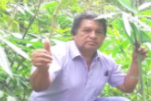
Enrique Inga, President: Reforestation Expert: As a researcher, vet, and innovator for forest regeneration, Enrique knows very deeply the impact caused by the construction of the Evenecer-Macuma-Taisha new road. He has the experience of working with the Indigenous and Mestizo Nationalities of Ecuador building sustainable impact models. He is a pioneer promoting the cultivation of Bamboo and Amazonian Fruit Trees in the region. He will be leading the Agro-silvo Forestal Models, hand in hand with the people of the Shuar Indigenous communities and surrounding stake-holders.
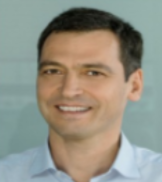
Albert Schwingshandl, Vice-President : Environmental Engineer and Water Management https://riocom.at/en/team-profil/albert-schwingshandl/
As an engineer, I am joining to support the management and working on the documentation for the research on projects and will be developing project management tools and guidelines for supporting planning phases & implementation. Contributing my experience & knowledge in the field of topographical hydrological engineering for soil & vegetation analysis. Supporting the project areas with maps and engineering tools for building interdisciplinary concept models. Developing regenerative models with system planning and building implementation models to include & incorporate indigenous communities. In partnerships with communities, we intend to include social ecological & cultural aspects in the development of the models. Including investigating new concepts for the “economy of the common good" with the aim to integrate social environmental & sustainability aspects in economic evaluation of the planned models.

NANTAR INGA : Co-Founder, Environmental Biologist: Leader from the Amazon, grew up observing the big social and environmental negative impacts on her community land. She studied and received academic training in Biology and Environment Science. Nantar is the founder of a social impact sustainable company with an environmental positive impact model. www.AMATEKOMBUCHA.com blends ancient knowledge with traditional medicine formulas from the AMAZONIA. Her contribution to the project is multidisciplinary: Creating environmental business models with a social impact and economy of the common good, so to sustain the project in the long term. The amazon rainforest, jungle and the Indigenous Shuar people need innovate inclusive, visionary, spiritual and profitable solutions.
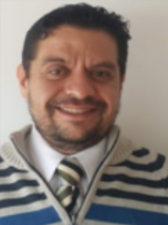
Jorge Cuiba : Environmental Civil Engineer, Administrator of Protects: Jorge is a Civil Engineer and in his professional life has directed several longterm projects in civil engineering works: Roads, Sewers, Drinking Water, Sustainable Housing and Low- Impact Urbanization Projects. These experiences have helped Jorge to understand the impact and responsibility that we have for more sustainable models in environmental building, eco-materials, water testing and impact measurement data analysis. These are essential metrics to be used to develop higher efficiency infrastructure development projects. Having seen the loop holes, and warnings about the challenges in local planning, he is looking towards creating optimal impactful designs, using LEED construction and long-term ecological maintenance models. In recent years, he has built models and instructed programs in Biocentric Projects, which place Life at the Center of the model. In putting living life as the main axis, innovating the exploration of the different stages and growing holistic impact models. Managing project goals requires joining multi-dimensional skills to achieve clear objectives and meeting measurable impact goals. That is why for Jorge it is a privilege to participate in this SOCIAL IMPACT PROJECT, that seeks to re-establish the benefits of a joint infrastructure, created to recover native forests and give opportunity to generate essential work, food, health and ongoing support for our communities.
WHAT FUNSEJ IS PLANNING: MULTIPLE-PHASE STRATEGY
PHASE 1: FUNSEJ has created a prototype for the sustainability model for “Forest Agroforestry'' as a part of plan with the Shuar Indigenous Peoples, based on a business model of ‘sustainable social impact’ which we call “kutukú - shaimi community entrepreneurship ”. To sustain these vital projects economically for longer term impact, a minimum viable product (mvp) is to be developed and researched with top scientist input. Catalyzing solution projects for the protection of the biodiversity, medicinal herbs and natural capital solutions are all essential, so to build and support community development and conservation projects. We are making impact with multiple layers and models in multi-phase process plans and consulting with multi-stake holders to devise a joint action plan. Creating Agro-Forestry models that can scale and meet multiple market requirements and providing needed income and revenue streams. Targeting farmers needs, creating the organic fertilizers and biological fertilizers, that can be produced from the second year of the impact agroforestry project. Our products need to meet the top organic quality to be commercialized locally and nationally and satisfy the growing demand for natural raw materials in Ecuador. From the fourth year, the Agro-Forestry trees enter their fruiting stage (production of the edible forest) and ready for market sales. On a supplementary path, with the cultivation of bamboo products, alternative wood in the degraded reforestation land, and used for river and water protection, this helps both products go to market in this phase.
PHASE 2: The second minimum viable product (mvp) is integrated into our “ku- tukú - shaimi community enterprise”, which is a high quality bamboo products with a high added value for markets and sustainable product lines can be designed for optimal use. Our second product will be delivered as cured bamboo wood, this impact model requires a deep market research and development of a potential customers pipeline for our ethical, ECO bamboo wood products. We know several buyers and will build up these relationships to deliver when ready, as we have innovative case models by global experts, and our contacts have a low-cost model for the infrastructure of a " Bamboo Treatment Plant". We can be “cradle to cradle” and very low-cost for the venture planning for the sustainable impact model to scale low cost solutions in the process chain. Cultivating optimal solutions like the technology of using alternative building materials like bamboo, building co-operative efficient storage and sales centers for wood. Sharing treatment tanks, warehouses and being in a collaborative co-op, with a central office to expand sales revenues. Empowering projects for socio-ecological impact, this will support also viable jobs for communities, making a positive impact as the training and ongoing management, forestry and organic gardening that will help support the communities to thrive.
GLOBAL IMPACT Regenerative Forestry : Designing Regenerative Forest Models: Empowering long-term impact investments:
We are exploring the regenerative reforestation model for regenerating the destroyed cattle grazed land, replanting multi species trees, biochar production for soil nutrition and herbal medicinal products and building these into a productive model of vital forest conservation. Inspired by leading forest conservation groups like www.futuroforestal.com, they have developed a productive model for this with experts from Yale, Smithsonian and are building scalable models that we all can learn from. These are proven models and we can adapt these to help re-cultivate impact models in Ecuador for the community owned degraded lands and in doing so, help to rebuild sustainable lands and scale productivity for the next generations also.
Social Impact Business Model : This includes building co-operatives, research forestlabs, for the collective research for Indigenous biodiversity models, in collaboration on designing educational platforms, training and employing community workforce of the Shuar people and local communities. Operating business manufacturing centers for the treatment and marketing of bamboo wood, select forest lumber, agroforestry and managing medicinal plant nurseries. The suppliers of the bamboo wood of the "community entrepreneurship" are the families and community of the Shuar Indigenous groups. One of the objectives is to certify our products and/or certify our fair trade practice, to raise the quality and commercial value of the final product. Thus we are building an economy for the ‘common good’ that promotes inclusive economic growth and cradle to cradle sustainability models. In this project phase, we define and identify a specific group of the population to be trained and hired by the community companies, for the sectors in forestry, agriculture, nursery, sustainable wood and organic food processing.
UNSDG GOALS. www.Un.org : There is a growing environmental market, and we can join programs such as: Redd + United Nations convention on climate change that seek to recognize and give incentives to developing countries to protect their forest resources, improve their management and use them in a sustainable way with the global purpose to reduce the impacts of climate change. There is a path to sustainability, we are catalyzing solutions. JOIN US:
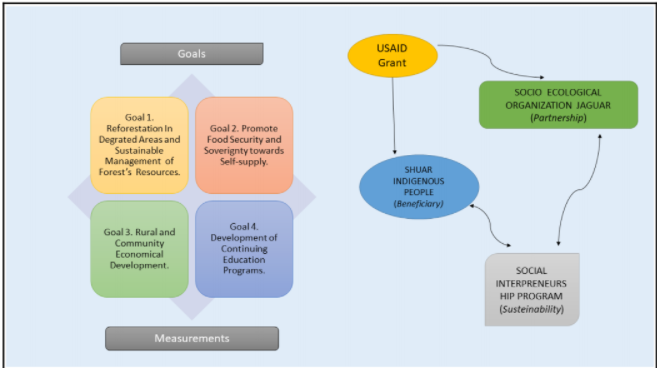
FUNSEJ Goals and Stakeholders